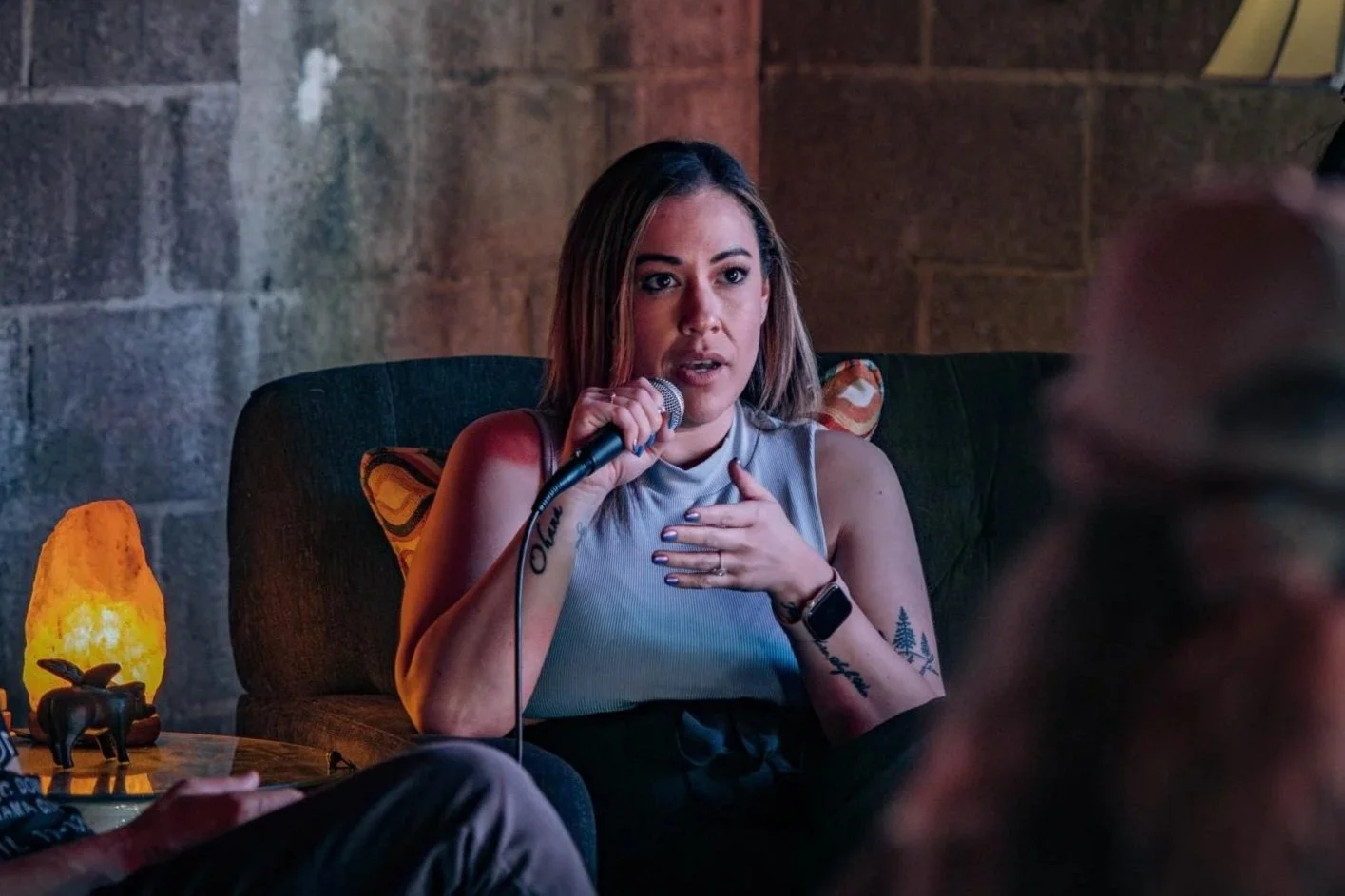
The Work of Celene Beth
I am a Certified Mental Health Coordinator, investigative filmmaker, producer, and podcast host. My career is dedicated to the Ethics of Care—a collaborative practice that aligns creative vision with a foundation of wellness. I work specifically with directors, producers, crew, participants, and live performers to ensure that as we push the boundaries of storytelling, we are equally dedicated to protecting the humans who make that art possible.
A Collaborative Bridge for Participant-Centered Work: As a Mental Health Coordinator (MHC), I act as a bridge between the director's vision and the participant's lived experience. My path to this role was a natural evolution through professional dance, documentary, and television, where I recognized a consistent opportunity to offer fellow creatives a trauma-informed framework. I see my role as an offering of education and support: providing the psychological integrity that allows a project to envision, shape, and support its narrative without compromising the safety of those involved.
The Body as Narrative: This understanding of vulnerability began in professional performance. During the inception of Millennium Dance Complex SLC, I served as Director of Operations and navigated the high-pressure world of adult artistry. Through my own performances and choreography, I worked with heavy, trauma-themed narratives. I realized that while movement is a powerful tool for processing experience, the work is most impactful when there is a structured environment of emotional safety and clear boundaries.
I later spent seven years coaching youth dancers at Dance Tech Studios. Navigating the high-competitiveness of this genre highlighted the critical need for emotional stability and mental well-being for young performers. These years solidified my drive to provide the mental health components—like wellness planning and movement-specific advisement—that allow live performers to go to necessary emotional depths while maintaining their personal stability.
Documentary Ethics and the Lived Experience: My perspective on restorative justice and participant care was deeply shaped by my time volunteering for four festivals and later working as a seasonal employee at the Sundance Institute. This provided front-row access to the complexities of the industry; by listening to participants, directors, producers, and editors share their lived experiences during Q&As, I gained a unique understanding of how mental health and ethics must intersect within the filmmaking process.
This foundation led to my feature documentary, K*lling Theodore, a project nearing ten years in the making. Working directly with my own participants over such a long arc has been a continuous education in the level of care required for their well-being. I have come to see this support as an ongoing process—one that begins in development and continues through production, public release, and long-term aftercare. Because I am committed to the highest ethical standards, I am active in organizations like the Documentary Accountability Working Group (DAWG) to ensure my practices remain restorative and participant-centered.
Production Advocacy in True Crime: In unscripted television, producing series like In Pursuit with John Walsh and The Real Murders of Orange County highlighted the drastic need for specialized support within the true crime genre. The fast-paced nature and quick turnaround times of these series often leave creatives and participants in a space that lacks an adequate safety net.
Most creatives are not trained to spend their days reviewing crime scene photos, police reports, and the very detailed accounts of trauma survivors. Processing this level of high-impact material is a significant emotional load for any crew, yet few are equipped with the tools to properly interact with participants who are navigating these experiences—often for the first time in their lives. By applying a trauma-informed lens throughout the entire lifecycle of a project—from pre-production through the field, the edit suite, and into post—I work to bridge these gaps, ensuring that the urgency of production does not come at the cost of the psychological well-being of the team or the participants.
The Evolving Conversation: My drive is to continue the evolving conversation on ethics and media. This is fueled by my podcast, True Crime & Hollywood: A Personal Tale, where I blend all sides of the narrative by bringing together trauma survivors and creatives to discuss these critical intersections. This mission is further explored in my short film, The Sundance Kid, which tackles the complexities of secondhand and vicarious trauma for creatives while weaving in a firsthand account of my own survivor story. Through these works, I aim to foster a deeper understanding of how we can tell powerful stories while maintaining the highest standard of care for everyone involved.
Commitment to the Industry: I view the role of a Mental Health Coordinator as a mechanical necessity for modern production. As a member of the Association of Mental Health Coordinators’ second global cohort of 30, I occupy a unique space that blends the instincts of an artist with the rigors of trauma-informed care. I utilize this specialized lens while developing my own projects to act as both a creative collaborator and an ethical strategist. By offering these new frameworks, I am dedicated to building an industry that is fundamentally more ethical and sustainable for the generations to come.
Contact Me
Interested in collaborating? Please share a bit about your project or needs, and I’ll be in touch soon. I look forward to supporting your story and your team with care and creativity.